
What Is a Holding Tank Rental Used For?
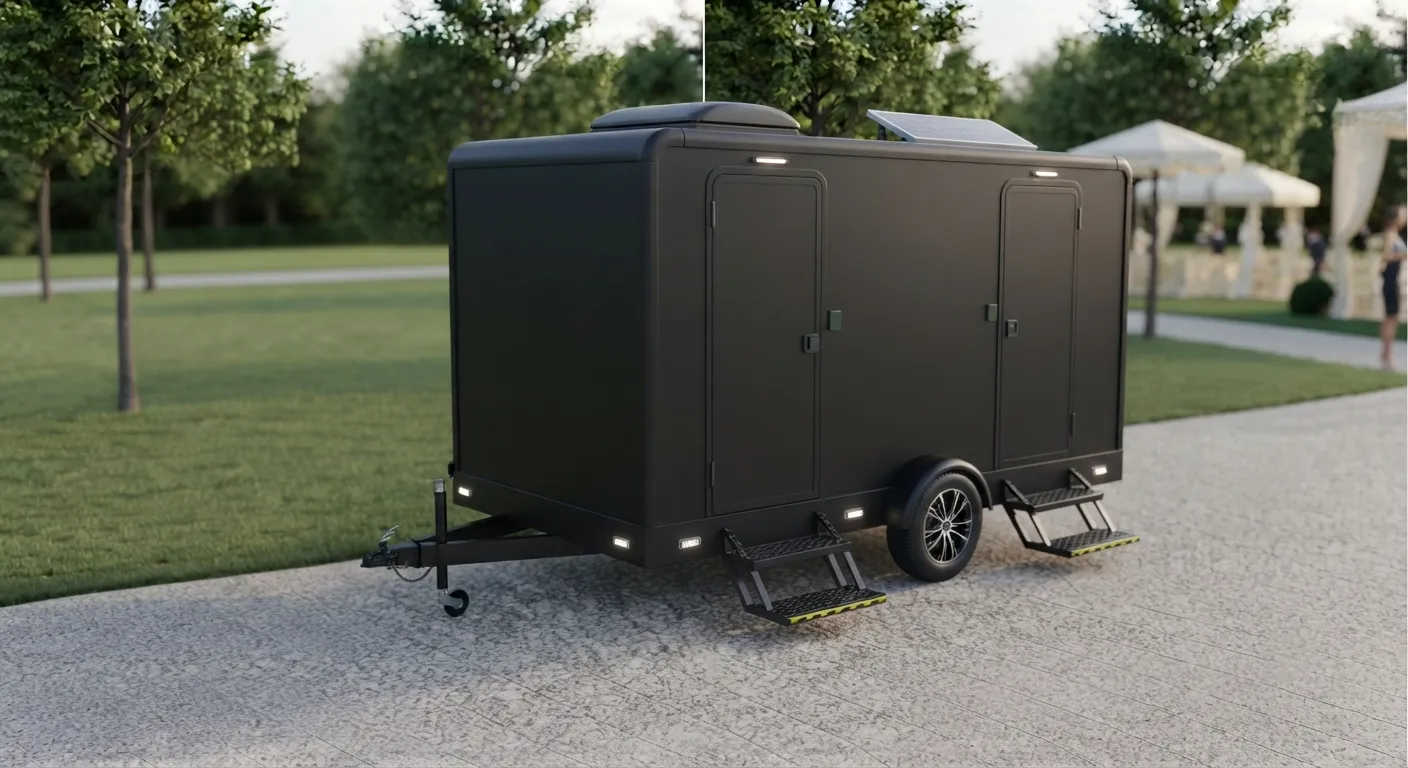
A holding tank holds wastewater or fresh water on site when there's no sewer connection, no well, or both. Construction crews use them for gray water and black water. RV parks and event sites use them for fresh water supply or as an RV holding tank rental near me solution when hookups aren't available. If you're running a job site without utilities, pair a tank with construction site services and a standard unit from standard porta potty rental. Farms lean on them too, especially where field crews need water and sanitation together, a setup covered in farm and agricultural restrooms. Some renters just need a sewage holding tank rental to bridge a septic repair, which overlaps with septic pumping service and emergency septic service if the tank is a stopgap while a system gets fixed.
How Much Does a Holding Tank Rental Cost?
Pricing depends on tank size, duration, and whether you need water or waste service. A septic-style tank rented by the day sits in the range shown below, and pumping is billed on its own schedule.
| service | duration | low | typical | high |
|---|---|---|---|---|
| septic tank service | day | $150 | $250 | $300 |
| septic tank service | weekend | $50 | $100 | $150 |
| delivery fee | day | $100 | $150 | $500 |
| delivery fee | week | $50 | $100 | $150 |
| delivery fee | month | $120 | $172 | $420 |
For a longer job, a monthly setup usually costs less per day than booking single days back to back, similar to the pattern on monthly porta potty rental. If you're comparing straight daily rates, porta potty rental per day breaks that down further. Septic holding tank pumping cost depends on tank fill rate and crew size on site, not just the tank itself.
How Often Does a Holding Tank Need Pumping?
That depends entirely on use, not a fixed calendar. A residential septic tank is typically pumped every 3 to 5 years, driven by tank size and household size, but a job-site holding tank fills much faster with a full crew using it daily. ANSI/PSAI Z4.3 sets one service visit per week for up to 10 users over a 40 hour week as the baseline interval for portable sanitation, and a holding tank under heavy crew use often needs more frequent pumping than that. For grease and kitchen waste, a grease interceptor gets pumped once fats, oils, grease and solids reach 25 percent of the liquid depth, a different trigger covered on grease trap pumping. If you're not sure how often your setup needs a visit, how often to pump a septic tank walks through the variables. Watch for slow drains or odor, both flagged on septic tank warning signs.
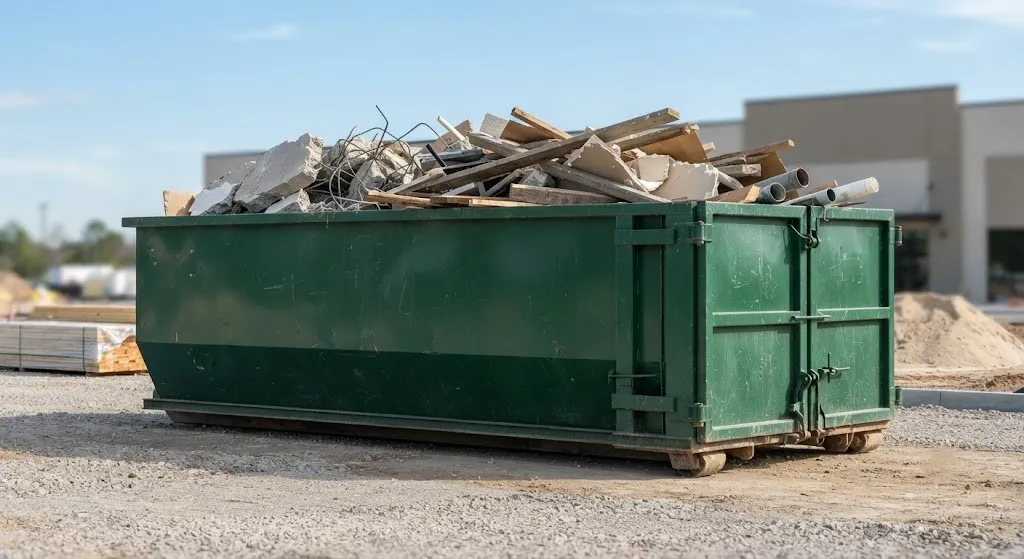
Wyoming job sites near Grandville, about 4.0 miles west, and Kentwood, 6.4 miles east, often run tanks alongside a full restroom setup. If your project also needs debris removal, roll-off dumpster rental and construction dumpster rental cover that side. Crews doing paint or coating work should also check handwashing station requirements, since OSHA 1926.51(f)(1) requires washing facilities where paints, coatings, herbicides or insecticides are applied. General sanitation on construction sites still falls under OSHA 1926.51(c), which sets toilet counts by crew size, a topic detailed on OSHA portable toilet requirements.
Frequently asked questions
Is a holding tank rental the same as a portable toilet?
No. A portable toilet is a self-contained unit with its own 60 to 70 gallon tank built in, covered on porta john rental. A holding tank is a separate water or waste vessel, often larger, used to supplement or replace a unit's built-in capacity on longer jobs.
Can I rent a holding tank for an RV?
Yes. RV holding tank rental near me searches usually mean a fresh water or waste tank set up at a campsite or event lot without sewer access. Pairing it with camping porta potty service covers both water and sanitation for extended stays.
How do I know what size tank I need?
Size depends on headcount and duration, not guesswork. Use how many porta potties do i need as a starting point, then call Wyoming Porta Pros to match tank capacity to your crew size and pumping schedule.
Do holding tanks need a permit in Wyoming?
Placement in the public right of way needs confirming with the city; check porta potty permit requirements before delivery. Placement on private property usually avoids that question entirely.
What's the difference between a water tank and a waste tank?
A water holding tank rental supplies potable water, meeting the intent of OSHA 1926.51(a)(1) for an adequate supply on site. A waste tank collects black water or gray water instead. Wyoming Porta Pros sets up either, or both.
Next step
Get a delivery date
Tell us the address, the dates and the headcount. We size the order and confirm the route.