
Do you need a permit for a porta potty in Wyoming?
If the unit sits on your own property, on a construction lot you control, or in a private lot with the owner's OK, you generally do not need a permit. That covers most jobs we deliver for home renovation porta potty work and backyard events. The trouble starts when placement moves into the street, a curb lane, or any strip the city considers right of way. That is exactly the situation this page cannot answer with a rule number, because permit requirements vary block by block and were not confirmed for this page, and it is the same reason delaware porta potty rental customers and anyone searching porta potty rental delaware get told to call ahead rather than guess. Call the City of Wyoming's permitting office before you plan curb placement. It's a five minute call that saves a fine, and it beats learning porta potty rules and regulations the hard way after a truck shows up to a blocked curb. For jobsites already juggling temporary fence rental and roll-off dumpster rental, get all three placements cleared in the same conversation rather than three separate calls.
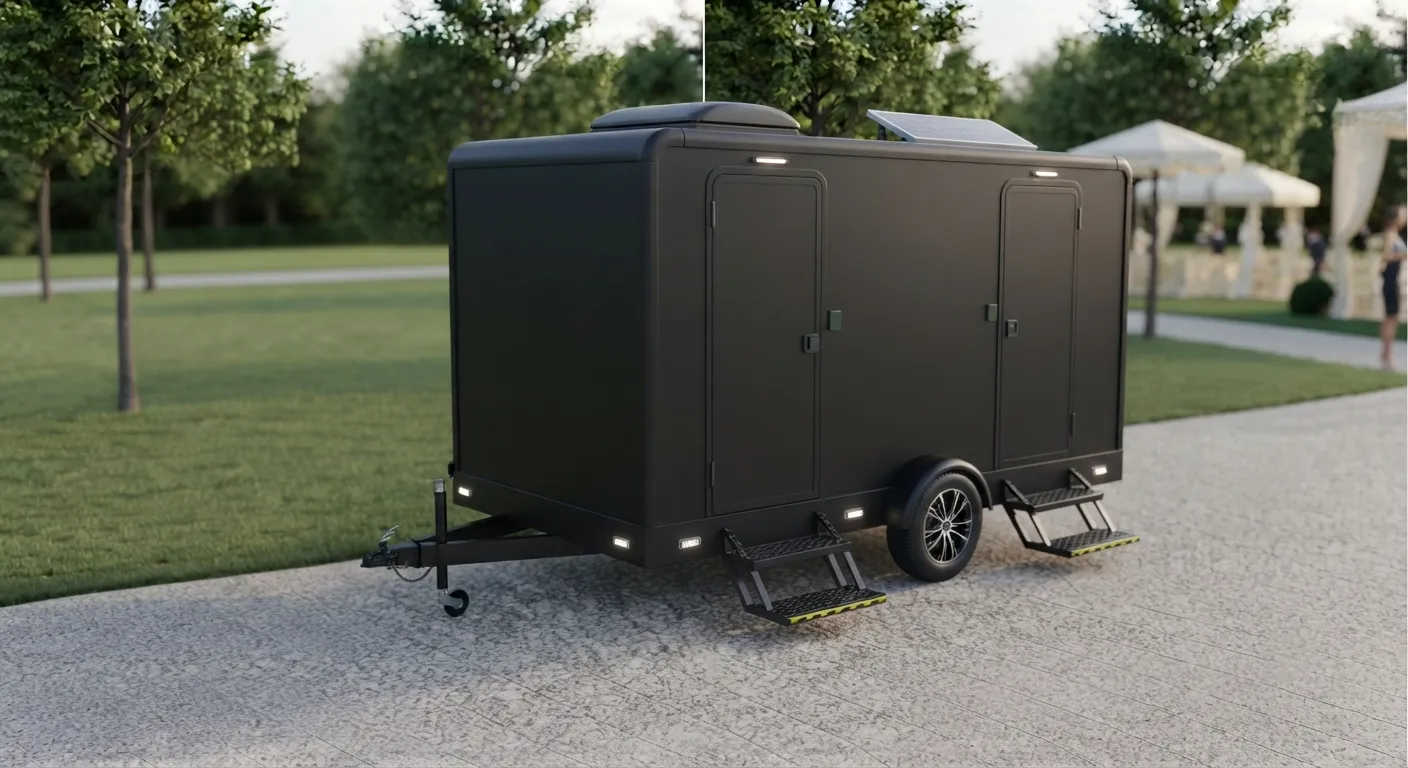
Do you need a permit for a dumpster on the street?
Same story as the toilet: a dumpster sitting entirely on private property usually clears without a permit, but a permit for dumpster placement on a public street is common in a lot of Michigan municipalities and Wyoming's specific rule is not something we can state without a confirmed source. Don't guess and place a 30 yard dumpster rental in a lane overnight; a jersey city dumpster permit process looks different from Wyoming's, which is exactly why a roll-off dumpster rental delaware crew and a Wyoming crew both need to check locally rather than assume one city's rule travels. Check dumpster permit requirements locally first, and note that a roll-off delivery needs about 60 feet of straight clearance behind the truck, so street placement often isn't practical anyway. If you're staging a full construction site services package with a dumpster, a storage container, and a temporary power pole, the power pole permit is a separate application from the dumpster or toilet placement, and it should be pulled early since utility scheduling tends to be the long pole in the timeline.
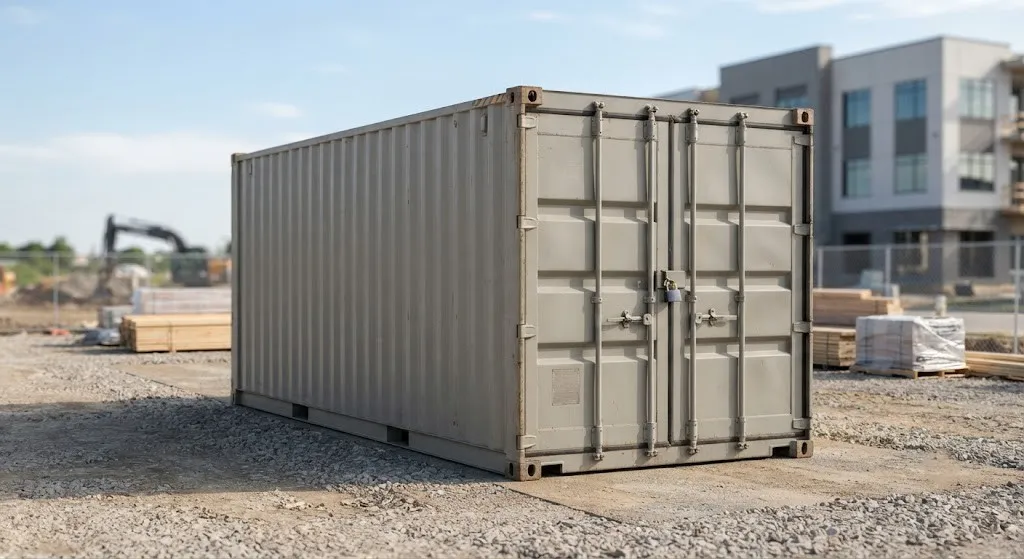
What are the porta potty placement rules in Wyoming?
The unit needs firm, level ground and clear access for the pump truck on service day. A standard unit runs about 44 by 48 inches on the ground and stands roughly 92 inches tall, so give it a few feet of buffer on every side. Our porta potty placement guide covers ground surface and clearance in more depth, and the same porta potty placement rules apply whether the unit sits on a jobsite or in a backyard. If the job is a jobsite with OSHA exposure, toilet counts follow OSHA 1926.51(c)(1): one facility for 20 workers or fewer, then one toilet seat and one urinal per 40 workers as headcount climbs, dropping to one seat and one urinal per 50 once you pass 200 workers. Farm crews fall under a different rule, OSHA 1928.110, which calls for field sanitation at one facility per 20 hand-labor employees within a quarter mile walk, relevant for farm and agricultural restrooms in the townships around Wyoming. For accessible placement, ADA Standards section 213.2 requires at least 5 percent of a cluster of single-user units to be accessible, and never fewer than one, which is why we pair standard deliveries with an ADA accessible porta potty on any job over a couple dozen units. Our how many porta potties do i need guide runs the math for your specific headcount.
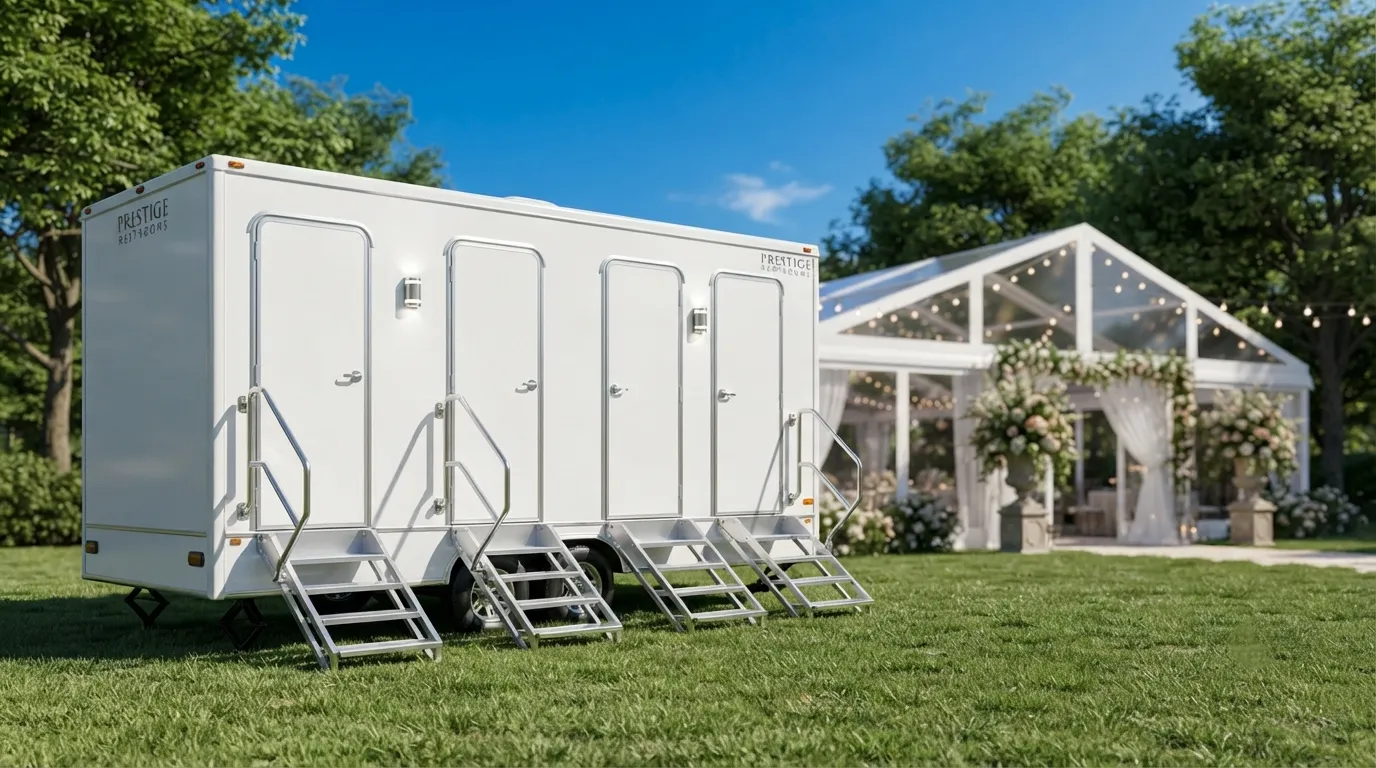
What OSHA and ADA rules apply on top of local permits?
Permits and OSHA rules are two separate systems, and passing one doesn't clear the other. Beyond the toilet ratios in 1926.51(c)(1), OSHA 1926.51(a)(1) requires an adequate supply of potable water on site, which is why a lot of our construction customers add a handwashing station rental or a portable sink rental alongside the toilets. If the crew is applying paints, coatings, herbicides or insecticides, OSHA 1926.51(f)(1) kicks in specifically for washing facilities tied to that contaminant exposure, and 29 CFR 1910.141(d)(2) adds that washing stations need actual soap and towels or a hand-drying device, not sanitizer alone. Full details live on our handwashing requirements page. On the accessibility side, ADA Standards section 404.2.3 sets a 32 inch minimum clear door opening, section 403.5.1 calls for a 36 inch clear route, and section 304.3.1 requires a 60 inch turning circle inside the unit, all covered on our ada restroom requirements page. None of these federal standards replace a local Wyoming permit check. They stack on top of it.
How does this affect events and restroom trailers in Wyoming?
Events in Wyoming, whether a wedding at a private venue or a festival on a rented field, follow the same private-versus-public-right-of-way split as construction jobs. A wedding restroom rental parked on a host's property rarely needs a permit; the same restroom trailer rental staged along a public road for a festival restroom rental probably does. If your event draws crowds near a roadway, pair the sanitation plan with a crowd control barrier rental and confirm both placements with the city at the same time. Customers in nearby Grandville, about 4.0 miles west, and Kentwood, 6.4 miles east, ask us the same permit questions, and the answer is consistent: check with the local authority before curb or right-of-way placement, every time, in every city we serve including Wyoming, Georgetown, Walker and Plainfield.
Frequently asked questions
Does a residential backyard rental need a permit?
Almost never, if the unit stays fully on your property. A standard unit's 60 to 70 gallon holding tank gets serviced on the same interval whether it sits in a backyard or a construction lot. Delivery access is the bigger concern than paperwork here.
Do temporary power poles need a separate permit from the toilet?
Yes. A temporary power pole almost always requires its own electrical permit and utility coordination, separate from any porta potty placement. Line up the power pole permit early since utility scheduling often runs longer than sanitation delivery lead times.
What happens if I place a unit in the right of way without checking?
You risk a fine, a forced relocation, or both, and the pump truck may not be able to safely service it anyway. Call the city first. It's the cheapest step in the whole process.
Does an event on private land ever still need a permit?
Sometimes, depending on crowd size, road access and whether barriers or signage extend into public space. Confirm with the venue and the city together rather than assuming private property clears every rule automatically.
Can Wyoming Porta Pros help figure out placement before delivery?
Yes. We walk the site or review photos before drop-off and flag anything that looks like right-of-way placement so you can make the call to the city before we schedule the truck.
Next step
Get a delivery date
Tell us the address, the dates and the headcount. We size the order and confirm the route.