
What Happens to Sanitation During a Disaster?
Water lines break. Septic fields flood. Shelters fill past capacity. When that happens, the fastest fix is usually a standard porta potty rental or a bank of them, dropped where people actually are, not where the plumbing used to work. Wyoming Porta Pros keeps units staged for exactly this, because disaster response does not wait for a normal delivery window.
A red cross shelter, a church basement, a school gym pressed into service, a staging area for utility crews. Each one needs sanitation that does not depend on the building's own systems. That is the whole point of portable restroom rental: it is a system that works even when the building's system does not. Standard units run $100 to $350 a day depending on volume and length of need, and weekly rates make more sense once a response stretches past a few days.
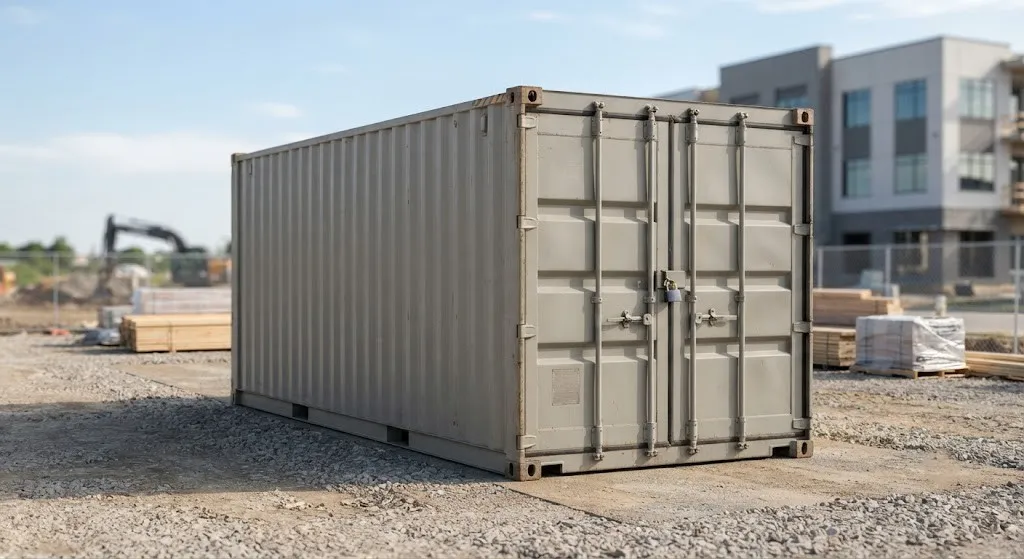
Crews coming in from outside Wyoming need somewhere to live and work too. A mobile office trailer rental or storage container rental gives incident command a dry place to coordinate, and temporary power pole or light tower rental setups keep a staging site running after dark when the grid is still down. None of this replaces a generator or a shelter plan. It just fills the sanitation gap those plans usually leave open.
How Fast Can Emergency Sanitation Be Delivered?
Fast, but "fast" depends on road access and how many units the response needs. Emergency porta potty rental requests get priority routing, and Wyoming Porta Pros pulls from stock already positioned near Wyoming rather than waiting on a distant warehouse. Grandville sits 4.0 miles west and Kentwood 6.4 miles east, so units already staged near those corridors can reach a Wyoming shelter or command post inside the same window as a routine local delivery.
Roll-off delivery for debris cleanup needs about 60 feet of straight clearance behind the truck, so tell dispatch up front if a driveway, alley or downed tree limits access. That single detail saves a wasted trip. For flood or storm debris, a construction dumpster rental or roll-off dumpster rental clears wreckage fast, and dumpster weight limits matter more than usual with waterlogged material, since wet debris weighs far more than the same volume dry.
If flooding backs up a septic system, that is a separate emergency track. Emergency septic service and septic pumping service get dispatched to failing tanks, and a typical 1,000 to 1,500 gallon residential tank that would normally get pumped every 3 to 5 years may need attention immediately after a flood event, regardless of that schedule.
What Sanitation Standards Still Apply in an Emergency?
OSHA and ADA rules do not pause because it is a disaster. If responders and cleanup crews are working the site as their job, OSHA 1926.51(c)(1) still sets the toilet ratio: one facility for 20 workers or fewer, then one toilet seat and one urinal per 40 workers above that. A shelter or staging area with more than a couple hundred responders on scene needs to look at that math directly, and OSHA portable toilet requirements walks through it in more depth.
Potable water is a requirement too, not a nice-to-have. OSHA 1926.51(a)(1) requires an adequate supply of potable water at all places of employment, which is exactly what makes a handwashing station rental or portable sink rental part of the response kit rather than an afterthought. 29 CFR 1910.141(d)(2) also requires soap and towels or a hand-drying device at wash stations; hand sanitizer alone does not satisfy it, which matters in a shelter setting where illness spreads fast.
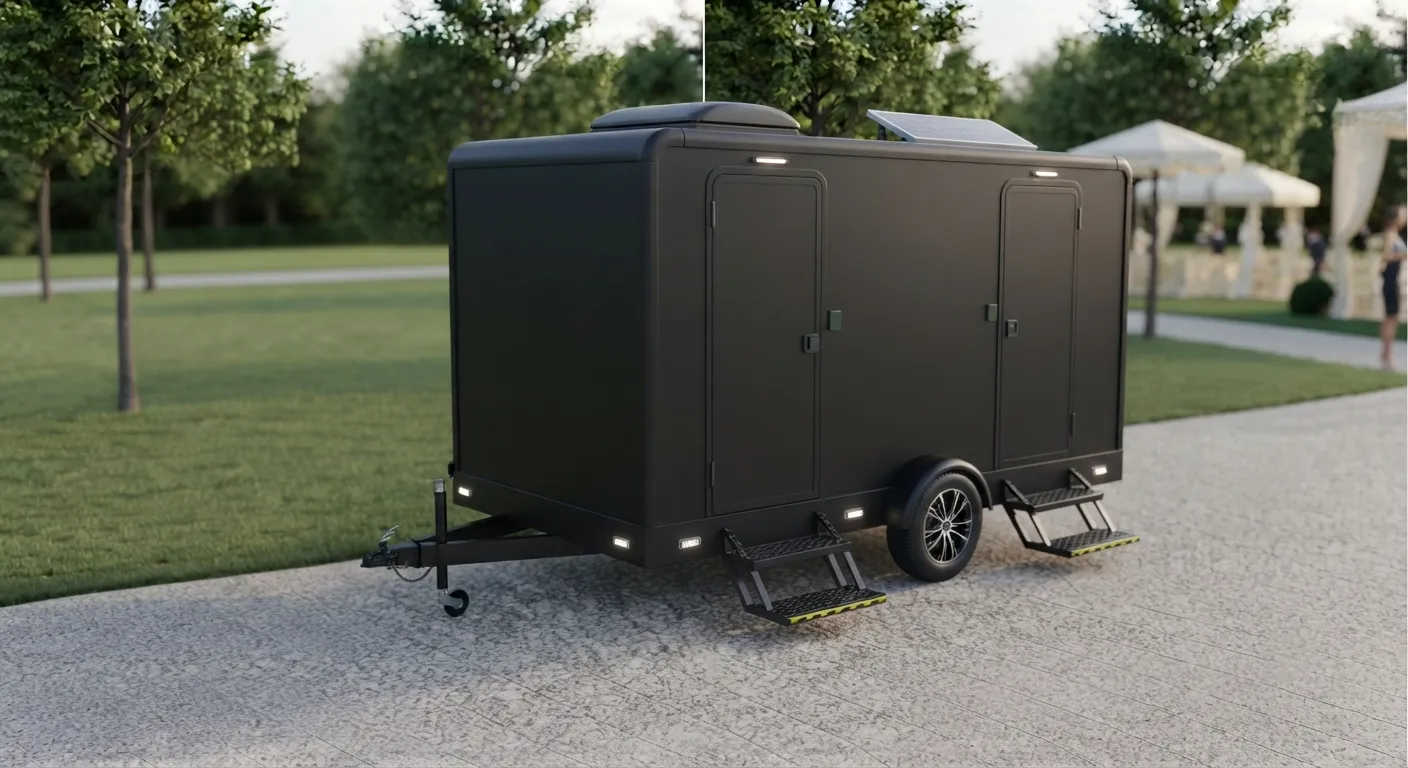
Displaced residents with mobility needs still need an accessible unit. ADA Standards section 213.2 requires that where portable toilets are clustered, at least 5 percent, and never fewer than one, must be accessible, so an ADA accessible porta potty belongs in the first wave of equipment, not an afterthought ordered once someone complains. For longer-duration shelters, a restroom trailer rental or 4 stall restroom trailer holds up better than a bank of standalone units once a response runs past a week or two.
| unit | duration | typical price |
|---|---|---|
| standard | day | $150 |
| standard | week | $200 |
| ada | day | $230 |
| delivery_fee | day | $150 |
| service_fee | day | $175 |
Frequently asked questions
How quickly can Wyoming Porta Pros respond to a flood or storm emergency?
Same-day or next-day delivery is typical for emergency porta potty rental, assuming road access is clear. Rush delivery fees run $100 to $500. Call ahead with site access details, especially if debris or standing water blocks a driveway.
Do disaster shelters need to meet the same OSHA toilet ratios as construction sites?
OSHA 1926.51(c)(1) applies to worksites and responder staging areas, not shelters serving displaced residents. But any cleanup crew or utility team working the site counts toward that ratio, so a shelter doubling as a work base should plan units accordingly.
Can Wyoming Porta Pros provide sanitation for shelters outside Wyoming itself?
Yes. Units staged near Wyoming reach nearby communities quickly, including Grandville 4.0 miles west and Kentwood 6.4 miles east. See Service Areas for the full coverage map during a regional response.
What happens if a septic system backs up during a flood?
That needs immediate attention, not the usual 3 to 5 year cycle. Call emergency septic service directly. Flooded drain fields and tanks under hydraulic pressure from groundwater can fail fast and need pumping right away.
Are handwashing stations required at emergency shelters?
OSHA 1926.51(a)1 requires potable water at worksites, and 29 CFR 1910.141(d)(2) requires soap and towels at wash stations, not sanitizer alone. Shelters should treat this as a floor, not a ceiling, given close quarters and illness risk.
Next step
Get a delivery date
Tell us the address, the dates and the headcount. We size the order and confirm the route.